

Online newspaper based in Matera
EcocNews is registered at the Court of Matera in the press register n. 2/2021
Editor in chief: Mariateresa Cascino. Founder and editorial director: Serafino Paternoster
via San Francesco, 1 - 75100 Matera (Italy)



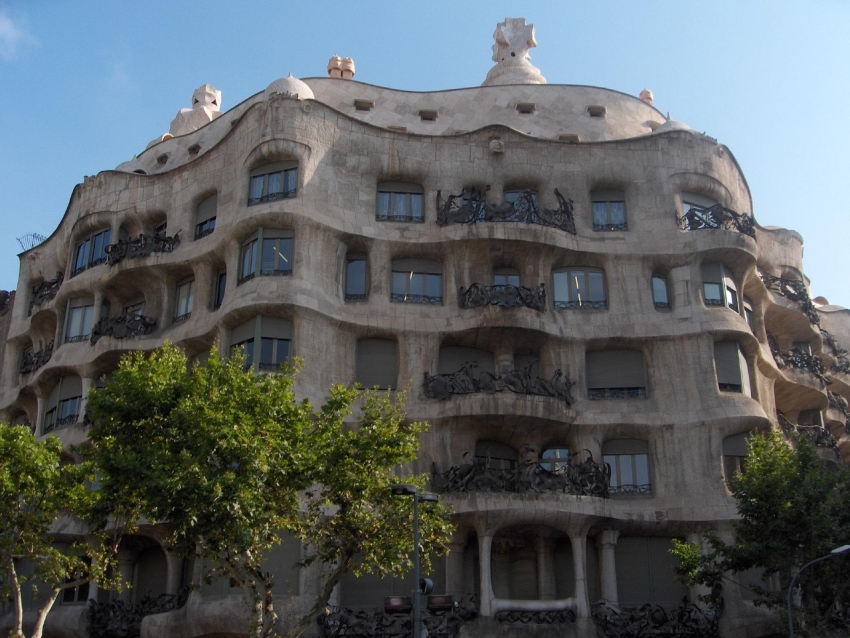 Barcelona, Gaudì
Photo by Pexels
Barcelona, Gaudì
Photo by Pexels
Representatives from the 43 UfM Member States marked an important milestone at the 10th UfM Regional Forum in Barcelona, convened under the Anniversary theme “Together for a Stronger Euro-Mediterranean Partnership”. Demonstrating unity amid regional challenges, Ministers stressed that the Mediterranean must remain a shared space of peace, prosperity and mutual understanding – and that multilateralism is not optional, but essential.
They reaffirmed the continued relevance of the Barcelona Process and endorsed a new Strategic Vision for the UfM, shaped through broad regional consultations, to guide UfM action over the next years. This strategic framework is built on three interconnected pillars: connecting people through education, youth mobility, skills development, gender equality and social inclusion; connecting countries by strengthening dialogue, climate resilience, water and energy security, and crisis preparedness; and connecting economies by boosting trade, digital cooperation, sustainable infrastructure and green investment.
In the framework of the Regional Forum, UfM Secretary General Nasser Kamel, and Spanish Foreign Minister José Manuel Albares, signed a new Headquarters Agreement between Spain and the Union for the Mediterranean. The new Headquarters Agreement provides greater clarity regarding the UfM status as an international organisation, aligns it with global best practices, and strengthens UfM capacity to fulfil its mission.
The new Strategic Vision and Headquarters Agreement position the UfM as the central platform for delivering collective solutions to shared challenges, from climate change and water scarcity to youth unemployment and post-crisis recovery. As the Barcelona Process enters its fourth decade and the UfM Secretariat turns 15, today’s decisions signal a renewed pact among Mediterranean peoples for peace, stability and shared prosperity.
In the margins of the Forum, the official launch of the EU Pact for the Mediterranean reflected a reinforced political and financial commitment by the European Union and Southern Mediterranean countries to advance common priorities: green transition, digital transformation, human capital and regional stability.
The UfM Ministerial Meeting capped a landmark week in Barcelona, featuring high-impact side events bringing together heads of regional authorities, mayors, civil society, scientists, cooperation experts and youth from across the region. From wildfire preparedness and climate action to cultural dialogue, regional resilience and social inclusion, stakeholders converged on one message: the future of the Mediterranean must be co-created across borders and sectors.
“Thirty years on, the Barcelona Process remains a cornerstone of Euro-Mediterranean cooperation. Today, we renew our shared vision for a Mediterranean of peace, prosperity and solidarity. This is the compass I will hand to my successor: connect people, connect economies, connect countries. After seven years at the UfM, I leave it stronger, more ambitious and more resilient, inspired by the courage of our youth, the dedication of women and men across the region, and the innovation of entrepreneurs and emerging leaders. Cooperation is not optional — it is the only way to guarantee peace and shared prosperity in our region”, said UfM Secretary General Nasser Kamel.
Ministers also endorsed the selection of Córdoba (Spain) and Saida (Lebanon) as the 2027 Mediterranean Capitals of Culture and Dialogue. Throughout 2027, the two cities will host a vibrant program of cultural and civic events designed to foster exchange and understanding across the region. This initiative, jointly led with the Anna Lindh Foundation, spotlights sustainability, gender equality, digital inclusion and the safeguarding of both tangible and intangible heritage – fully aligned with the UfM’s priorities for a more inclusive and resilient Mediterranean.
------
EcocNews is an independent, non-profit, online newspaper. We cover the world of European and National Capitals of Culture.
Join us on this journey and support us with a voluntary donation here.
Online newspaper based in Matera
EcocNews is registered at the Court of Matera in the press register n. 2/2021
Editor in chief: Mariateresa Cascino. Founder and editorial director: Serafino Paternoster
via San Francesco, 1 - 75100 Matera (Italy)